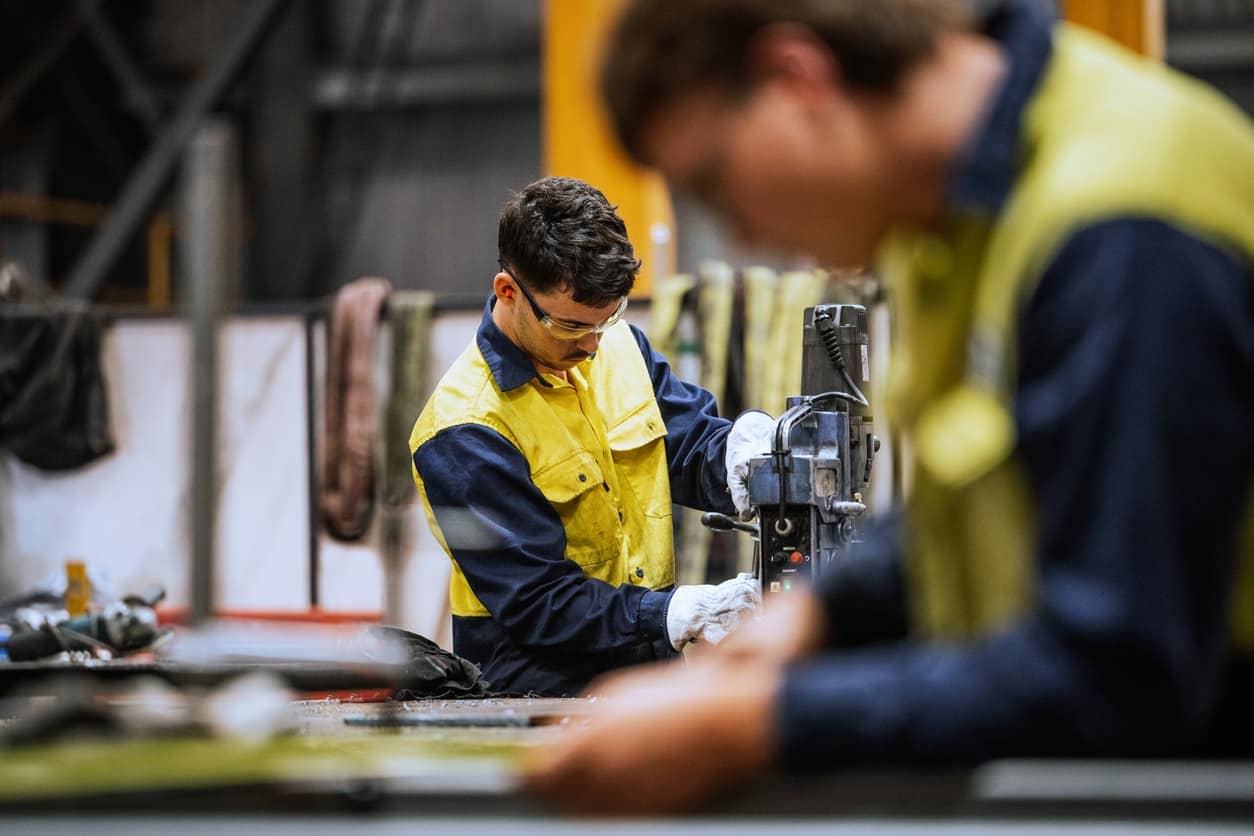
AI-powered smart manufacturing systems and factory visibility
AI, IoT, and real-time analytics for plants that need uptime, quality, and shop-floor visibility.
Visibility
shop-floor visibility
production, downtime, alarms, and quality signals in one operational view
Prediction
maintenance intelligence
patterns from sensor, runtime, and fault-code data that can support maintenance planning
Standardization
manufacturing control
standardized KPIs and reporting across lines, plants, and teams
The manufacturing gap
Factories already generate operational signals. The challenge is making that data visible, structured, and useful for AI-assisted prediction and decision support.
Modern manufacturing requires AI-enabled systems that improve efficiency, visibility, prediction, and operational control.
AI-powered smart manufacturing platforms can connect equipment, operators, maintenance teams, and leadership into a shared operating layer.
Common components include IoT telemetry, analytics dashboards, alerts, predictive models, quality intelligence, and integrations with ERP, MES, CMMS, and other operational systems.
Where teams feel it first
Machines generate data
Machines generate data, but teams still rely on manual updates and end-of-shift reports.
Maintenance reacts after failures instead
Maintenance reacts after failures instead of seeing early warning signals.
Quality
Quality, production, and asset data live in separate systems with no single source of truth.
Connected factory architecture
A connected backbone, not isolated dashboards.
Machines & sensors
PLCs, sensors, gateways, alarms, work orders, and production systems.
Edge & integration layer
Secure collection, normalization, and routing from OT to digital systems.
AI + analytics engine
OEE, predictive signals, bottleneck detection, and quality insights.
Factory command center
Role-based dashboards, alerts, workflows, and integrations with MES/ERP/CMMS.
What we build
Capabilities we ship for this vertical.
Smart factory command centers
Control-room and line-side interfaces that show throughput, constraints, downtime, and escalation status in real time. AI copilots answer natural language questions about line performance and recommend corrective actions for supervisors.
- Natural language Q&A across live production data
- AI-recommended corrective actions for supervisors
- Role-based views for line, plant, and enterprise
- Real-time alarming with smart noise reduction
Common manufacturing AI modules
AI-enabled factory tools for production, quality, and maintenance.
OEE cockpit
Live availability, performance, quality, downtime reasons, and shift-level production context.
Downtime intelligence
Classify stops, identify recurring losses, and make root-cause patterns easier to review.
Digital work instructions
Guided operator workflows with traceability, sign-offs, and production context.
Quality signal monitoring
Correlate process parameters, inspections, rejects, and rework before issues spread.
Energy and utilization tracking
Measure machine utilization, idle time, load patterns, and energy waste across assets.
Maintenance automation
Use alerts and health indicators to support triage and maintenance planning.
Business benefits
Operational areas these systems can support.
Reduced downtime and maintenance costs
Condition monitoring and alerting can help teams identify issues earlier.
Improved production quality
Analytics can help connect process parameters with quality signals.
Real-time visibility across the shop floor
Teams can work from a shared operational picture instead of disconnected tools and exports.
Better equipment performance and reliability
Health indicators and trends can support engineering and reliability reviews.
Faster, smarter operational decision-making
Live dashboards and alerts can make operational reviews less dependent on manual reporting.
Let's build it together.
Smart manufacturing systems are most valuable when they turn operational data into clearer visibility, better coordination, and more informed decision-making.