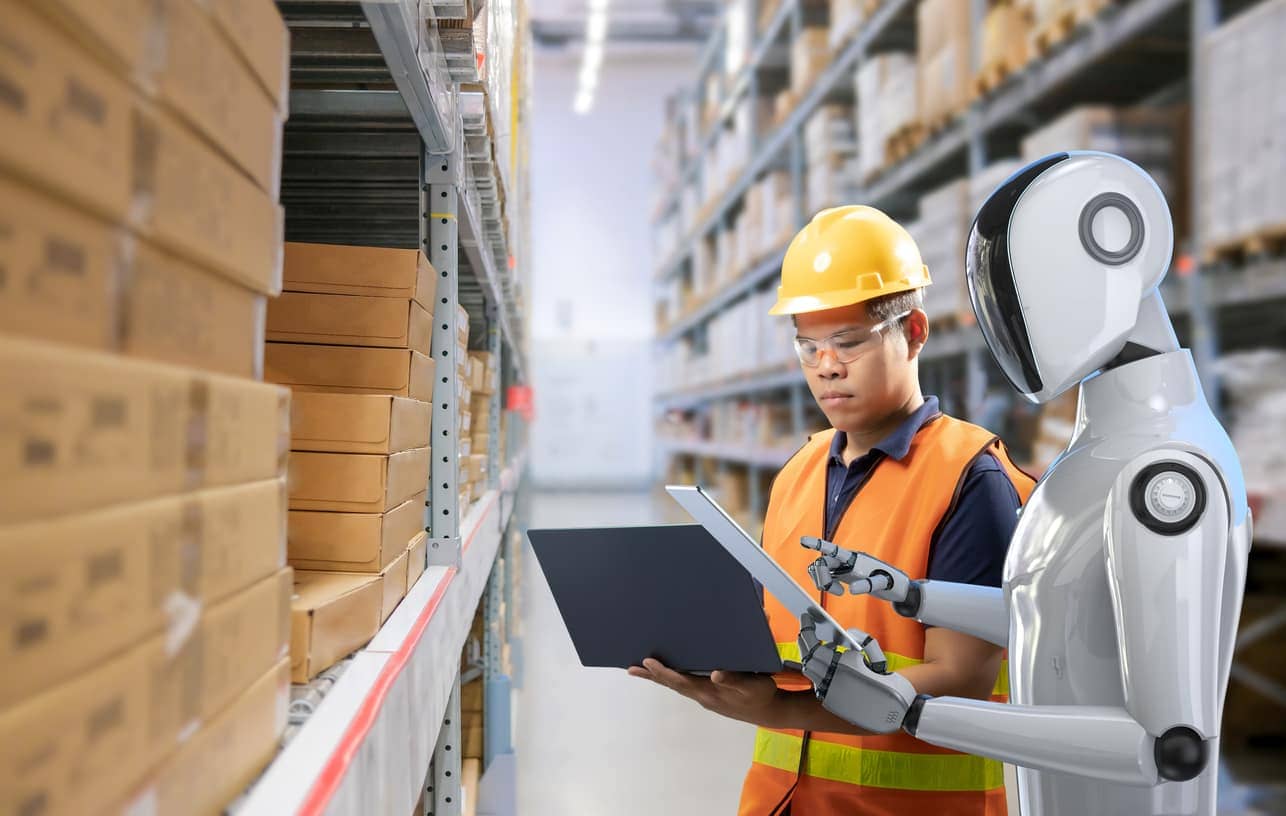
AI-powered logistics control tower and visibility systems
AI routing, real-time visibility, and automation for transportation teams that need speed and control.
Visibility
shipment visibility
track orders, vehicles, ETAs, exceptions, and delivery status in one operational view
Optimization
route optimization
support route planning using distance, traffic, capacity, delivery windows, and cost
Analytics
fleet performance
understand utilization, delays, fuel patterns, driver activity, and service reliability
The logistics challenge
Every delay has a ripple effect. AI-enabled logistics software can make orders, routes, vehicles, ETAs, and exceptions easier to understand in real time.
Modern logistics requires AI-assisted speed, visibility, and efficiency across dispatch, fleet operations, shipment tracking, and customer communication.
We design and develop AI-enabled logistics platforms that help transportation companies optimize operations, track shipments in real time, and automate supply chain processes.
An intelligent logistics platform can bring dispatch planning, fleet visibility, customer notifications, exception handling, and predictive analytics into one connected operating view.
Where teams feel it first
Dispatch teams juggle vehicles
Dispatch teams juggle vehicles, routes, drivers, delays, and customer updates across disconnected tools.
Shipment visibility is often fragmented
Shipment visibility is often fragmented between GPS systems, spreadsheets, carrier portals, and manual calls.
Fuel cost
Fuel cost, idle time, empty miles, and route exceptions are hard to improve without real-time analytics.
Logistics AI architecture
A connected backbone, not isolated dashboards.
Orders & fleet signals
Shipments, drivers, vehicles, GPS, warehouse events, scans, and customer requests.
Operations intelligence engine
Dispatch planning, route rules, exception handling, capacity, and delivery constraints.
AI + analytics layer
ETA prediction, route optimization, cost insights, empty-mile analysis, and alerts.
Control tower experience
Live maps, dashboards, customer notifications, reports, and TMS/ERP integrations.
Our expertise
Capabilities we ship for this vertical.
Fleet management solutions
AI-powered platforms for vehicle utilization, driver activity, maintenance visibility, asset status, and operational performance. ML models predict driver fatigue, fuel anomalies, and maintenance windows from telematics data.
- ML-based driver behavior scoring and coaching
- Predictive maintenance from telematics signals
- Real-time fuel anomaly and theft detection
- Asset utilization optimization across the fleet
Common logistics AI modules
AI-enabled logistics tools and platform modules.
Dispatch control tower
Plan routes, assign drivers, manage exceptions, and monitor active trips in one place.
Customer shipment portal
Give customers live shipment status, ETAs, proof of delivery, and proactive notifications.
AI route planner
Plan routes using delivery windows, vehicle capacity, cost, distance, and traffic signals.
Fleet performance dashboard
Track utilization, downtime, idle time, driver performance, and operating cost trends.
Exception management workflow
Flag delays, missed scans, route deviations, and customer-impacting issues before escalation.
Supply chain visibility hub
Unify order, warehouse, carrier, and delivery signals across the logistics network.
Business benefits
Operational areas these systems can improve.
Lower fuel and operational costs
Better planning can help teams identify empty miles, idle time, route waste, and manual coordination effort.
Improved delivery timelines
Live ETAs, route planning, and exception alerts can support more reliable delivery timelines.
Real-time shipment visibility
Operators and customers can use a shared view of shipment status and delivery progress.
Better fleet performance
Utilization, maintenance signals, delays, and driver activity can be easier to review with clearer reporting.
Faster decision-making with analytics
Routes, shipments, costs, and exceptions become easier to analyze when the data is centralized.
Let's build it together.
Logistics technology is most useful when it improves visibility for operators while also creating a clearer delivery experience for customers.